
What to Consider When Hiring a Contractor to Finish Your Basement in Athens, GA
Finishing a basement is one of the most rewarding home improvement projects you can undertake. It not only expands your living space but also increases your home’s value and functionality. Whether you’re envisioning a cozy family room, a home office, or a full guest suite, the right contractor can make all the difference. But with so many options in Athens, GA, how do you choose the best professional for the job? Here’s what to consider before hiring a contractor to finish your basement.
1. Check Licensing, Insurance, and Local Credentials
First and foremost, make sure your contractor is properly licensed and insured. In Georgia, contractors are required to hold a residential or general contractor’s license through the State Licensing Board for Residential and General Contractors. This ensures they’ve met the necessary qualifications and follow state building codes.
Ask for proof of both liability insurance and workers’ compensation. These protect you from financial responsibility in case of property damage or on-site injuries. Also, because you’re in Athens, GA, it’s important that your contractor is familiar with local building codes, zoning regulations, and permit requirements. Athens-Clarke County has its own permitting process, and a reputable contractor will handle all necessary approvals on your behalf.
2. Look for Local Experience and References
Basement finishing involves more than just adding drywall and flooring—it often includes plumbing, electrical work, HVAC adjustments, waterproofing, and insulation. That’s why it’s crucial to find a contractor with specific experience in basement projects.
Ask to see examples of previous basement renovations in the Athens area. Local experience matters because soil conditions, humidity levels, and older home designs in North Georgia can present unique challenges. A contractor familiar with the area will know how to address moisture control, proper ventilation, and local inspection requirements.
Don’t hesitate to request references from recent clients. Reach out to a few of them to ask about their experience. Was the project completed on time and on budget? Was communication consistent? Did the finished product meet their expectations? These insights can reveal a lot about a contractor’s professionalism and reliability.
3. Discuss the Project Scope and Get Detailed Estimates
Before signing anything, make sure you receive a written, detailed estimate that outlines the full scope of work. This should include:
- Labor and material costs
- Project timeline and milestones
- Payment schedule
- Warranty information
- Cleanup and disposal responsibilities
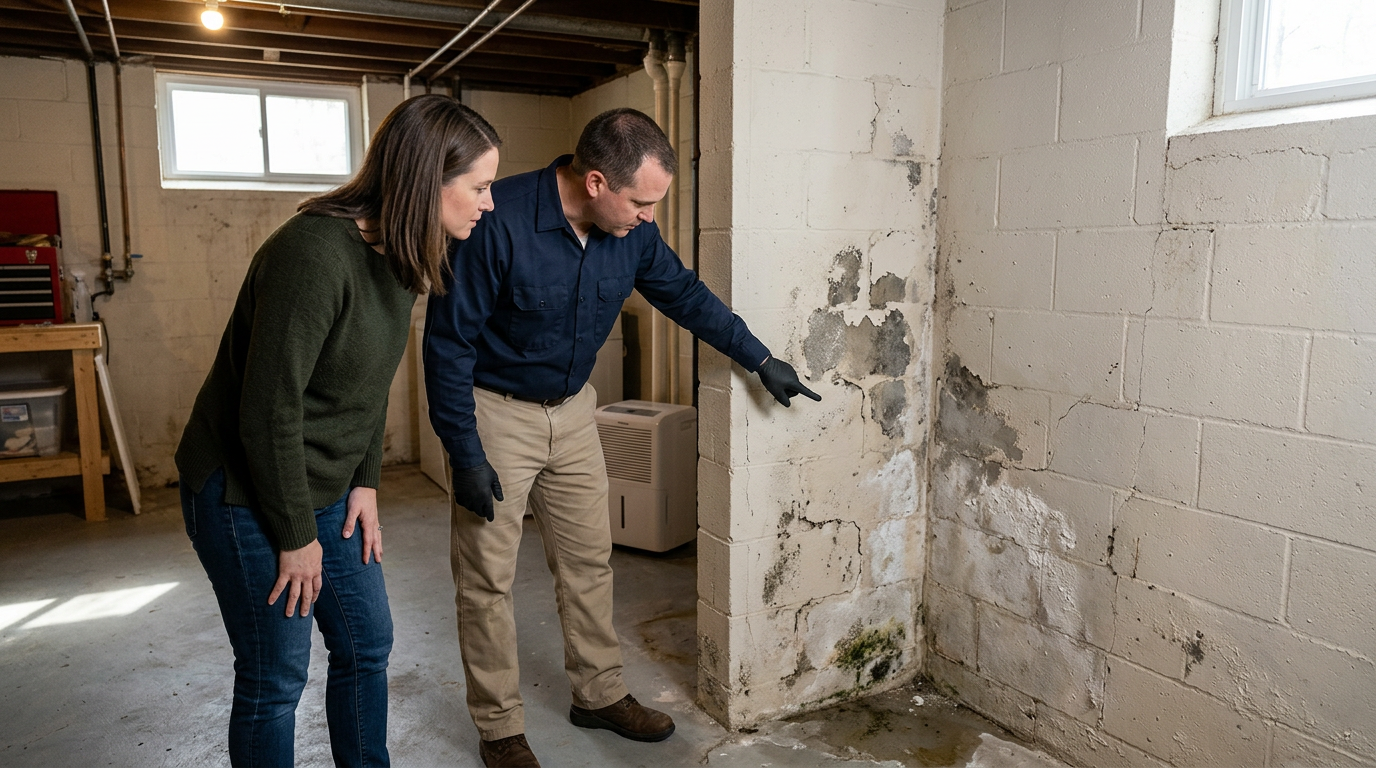
Be cautious of contractors who give vague quotes or significantly underbid the competition. Low estimates can sometimes mean cutting corners or using subpar materials. In contrast, a professional contractor will take the time to inspect your basement, assess potential issues like moisture or foundation cracks, and provide a transparent, realistic quote.
4. Evaluate Communication and Professionalism
Effective communication is key to a smooth renovation. From the first consultation, pay attention to how responsive, organized, and transparent the contractor is. Are they listening to your ideas and offering thoughtful feedback? Do they explain the construction process clearly and address potential challenges upfront?
Good contractors will provide regular updates, be open to questions, and clearly document any changes to the project scope or cost. They should also provide a written contract that protects both parties and sets clear expectations.
5. Ask About Warranties and Post-Project Support
Basement finishing is a significant investment, and you’ll want assurance that your contractor stands behind their work. Ask about warranties on materials and workmanship. Most reputable contractors offer a limited warranty period to fix any issues that may arise after completion, such as minor settling cracks or trim adjustments.
Also, consider whether the contractor provides post-project support like follow-up inspections or maintenance advice, to ensure your basement stays in great condition over time.
6. Prioritize Quality and Value Over Price
While budget is an important factor, the cheapest bid isn’t always the best choice. A well-finished basement should be durable, energy-efficient, and designed to last for years. Hiring an experienced contractor who uses quality materials and skilled subcontractors will save you time and money in the long run.
Call Tipton’s Fine-Tuned Carpentry to Finish your Basement in Athens, GA
Finishing your basement in Athens, GA, can transform unused square footage into a beautiful, functional living space. By carefully vetting your contractor through checking credentials, reviewing past work, and setting clear expectations, you’ll ensure a smooth process and a high-quality result.
With
Tipton’s Fine-Tuned Carpentry, your basement can become one of the most comfortable and valuable areas in your home. Family-owned and operated, our team of expert carpenters are licensed and insured and have a combined 100+ years of experience. We aim to expedite your project without compromising quality. If you live in Athens and surrounding areas and are wanting to finish your basement, we are here to help.
Contact us to schedule a consultation today!