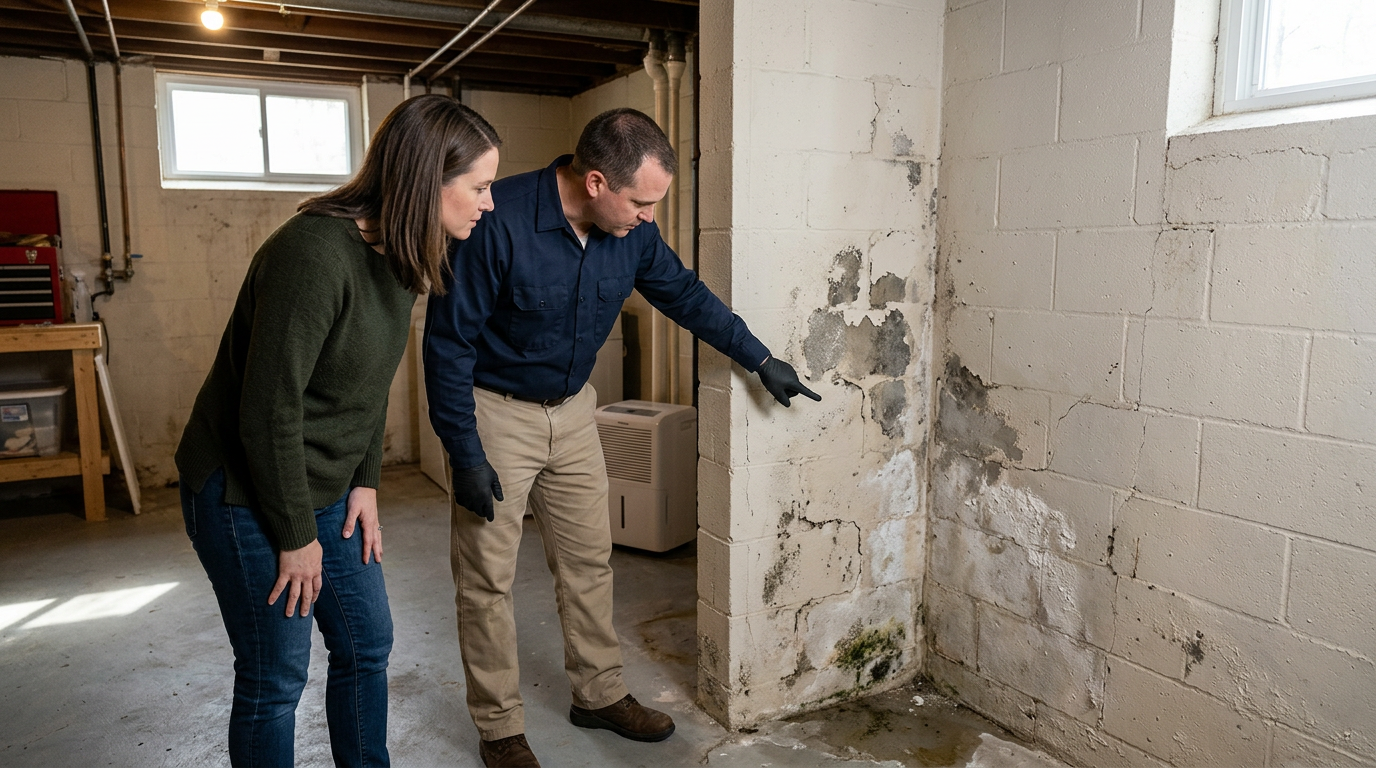

Planning a remodel is exciting, but the most common frustrations show up before the first day of work: delayed selections, unclear access rules, and misaligned expectations about communication. This pre-construction checklist for a remodel is for homeowners and property managers who want a smoother start, fewer last-minute decisions, and a clearer path from “signed contract” to “site-ready.” In the Athens, GA area, pre-construction details can also affect scheduling around inspections, deliveries, and trades—so having your ducks in a row matters. Use the checklist below to confirm what’s decided, what’s documented, and what your contractor needs from you to begin confidently.
Bottom Line Upfront: The Essentials
- Finalize selections early (fixtures, tile, paint, appliances) to reduce schedule pressure and substitutions.
- Confirm site access (parking, entry points, lockbox/alarm, pets) so crews can work consistently and safely.
- Document scope and assumptions so “included vs. excluded” items don’t become change orders later.
- Set communication rules (who approves changes, how often updates happen, where decisions are recorded).
- Prepare the home (clear pathways, protect valuables, plan for noise/dust) to prevent avoidable disruptions.
- Align on schedule realities (lead times, inspection timing, and what can shift) to keep expectations realistic.
How Pre-Construction Planning Actually Keeps a Remodel Moving
Pre-construction is the phase where decisions become buildable instructions. Your contractor is translating design intent into a sequence of work, ordering materials, coordinating trades, and planning inspections. The smoother this phase goes, the fewer “stop-and-wait” moments you’ll see once demolition or construction begins.
In practical terms, a strong pre-construction plan typically covers three categories:
- Selections & specifications: exactly what products are being installed, in what quantities, with what install requirements.
- Access & logistics: how crews enter, where materials land, what areas are off-limits, and how the site stays safe.
- Communication & approvals: who decides, how changes are priced/approved, and how progress is reported.
The Hidden Impact on Timeline, Budget, and Stress
Most remodel “surprises” aren’t surprises—they’re gaps in decisions or documentation. When a key item isn’t selected, work may pause or shift out of sequence. When access isn’t consistent, productivity drops. When communication isn’t defined, small questions can turn into bigger delays.
Here’s how this plays out in real life:
- Time: late selections can create backorders or force rework if rough-ins are already complete.
- Cost: changes after ordering or after installation starts can add labor, restocking fees, or expedited shipping.
- Quality: rushed decisions increase the chance of mismatched finishes or compromised layouts.
- Household disruption: unclear boundaries for work zones, pets, and quiet hours can create avoidable friction.
Local requirements and inspection processes can vary, so it’s smart to confirm how your jurisdiction handles permits, inspections, and required documentation for your specific project.
High-Priority Pre-Start Mistakes That Can Cost You
- ✓ Waiting to choose “final” fixtures until after work begins — many items affect rough-in locations, framing, and waterproofing details.
- ✓ Assuming allowances cover any product you like — allowances usually have defined budgets and sometimes defined categories; clarify what’s included.
- ✓ Not confirming appliance specs and delivery windows — dimensions, power/fuel requirements, and lead times can affect cabinetry and rough-ins.
- ✓ Unclear work hours and access rules — if the crew can’t reliably enter or stage materials, the schedule can drift.
- ✓ No written plan for change approvals — verbal changes are easy to misremember; written approvals protect everyone.
- ✓ Forgetting about dust/noise control expectations — discuss barriers, ventilation considerations, and which spaces must remain clean.
- ✓ Not identifying “no-go” areas — define off-limits rooms, storage areas, and any special handling needs for valuables.
- ✓ Leaving existing conditions undocumented — photos and notes of existing walls/floors can reduce disputes about pre-existing damage.
Your High-Priority Pre-Construction Checklist for Remodel Readiness
- ✓ Confirm the exact scope in writing (High) — verify what’s included, excluded, and any assumptions that affect price or schedule.
- ✓ Lock in all critical selections (High) — tile, plumbing fixtures, lighting, flooring, paint colors, hardware, and appliances that influence rough-ins.
- ✓ Provide product specs and links/PDFs (High) — model numbers, cut sheets, and installation requirements help avoid mismatches.
- ✓ Decide who is the single point of approval (High) — one decision-maker reduces delays and conflicting instructions.
- ✓ Set an update cadence and channel (High) — agree on how updates happen (email/text/app) and where decisions are logged.
- ✓ Review the change process (High) — confirm how pricing is presented, how approvals happen, and when schedule impacts are communicated.
- ✓ Map access and staging (High) — parking, entry door, lockbox/alarm instructions, material drop zone, dumpster location (if applicable).
- ✓ Plan for pets, kids, and daily routines (High) — define boundaries and safety expectations for occupied remodeling.
- ✓ Clear the work zone and pathways (Medium) — remove fragile items, clear closets if needed, and ensure safe movement for crews and materials.
- ✓ Confirm utility needs and shutoff procedures (Medium) — identify shutoff locations and any special requirements for internet, HVAC, or power access.
- ✓ Discuss protection expectations (Medium) — floors, doorways, and adjacent rooms may need protection; align on what will be used and where.
- ✓ Document existing conditions (Medium) — quick photos of nearby finishes and furniture help set a clear baseline.
- ✓ Ask about long-lead items (Medium) — identify what could delay the start or key milestones and decide on acceptable alternatives.
- ✓ Confirm inspection touchpoints (Medium) — understand when inspections are expected and how they can affect sequencing.
Professional Insight: What Most People Miss Before Day One
In practice, we often see that the biggest early wins come from treating selections and approvals like a “decision schedule.” When homeowners know what must be chosen and by when , the build phase tends to feel calmer—because the project isn’t constantly waiting on a single missing detail.
When It’s Time to Call a Professional
- You have competing priorities (budget vs. timeline vs. finishes) and need help aligning scope with realistic sequencing.
- Your remodel affects plumbing, electrical, or structural elements and you need coordinated planning across trades.
- You’re remodeling while the space is occupied and want a clear access, safety, and containment plan.
- You’re unsure which selections are “critical path” items and want guidance on what must be finalized first.
- You’re seeing repeated confusion in communication (multiple decision-makers, unclear approvals, or changing expectations).
Common Questions Answered
What decisions should be finalized before the remodel starts?
Anything that affects layout, rough-ins, waterproofing, cabinetry, or lead times is worth finalizing early—commonly plumbing fixtures, tile, flooring, lighting, and appliances. Your contractor can help identify which choices are most schedule-sensitive.
How do allowances typically work in a remodeling proposal?
An allowance is usually a placeholder budget for a category of items (like lighting or tile). It’s important to confirm what the allowance covers (materials only vs. materials and labor) and what happens if you choose products above or below that amount.
What should a communication plan include during construction?
At minimum: the primary contact person, the preferred channel for questions, how often updates are provided, and how approvals for changes are documented. Clear communication reduces delays and prevents misunderstandings.
How can we reduce disruption if we’re living in the home during the project?
Discuss access routes, work hours, dust/noise expectations, and which spaces must stay functional. Planning temporary routines (like alternate entrances or kitchen workarounds) can make the experience more manageable.
What’s a common reason remodel schedules shift early on?
Late selections and product lead times are frequent drivers, along with discovery of existing conditions once work begins. A thorough pre-start planning phase helps reduce—but not eliminate—these variables.
Call Tipton's Fine-Tuned Carpentry for More Information
A smooth remodel start is usually the result of clear decisions, clear access, and clear communication—not luck. Use this checklist to confirm selections, document expectations, and reduce last-minute pivots that can slow progress. If you’re not sure which items are most time-sensitive, a quick pre-construction review with a contractor can bring clarity fast.
Family-owned and operated, our team of expert carpenters are licensed and insured and have a combined 100+ years of experience. We strive to expedite your project without compromising quality. If you live in Athens and surrounding areas and are considering a home remodeling project, we are here to help. S chedule a consultation today!
Contact Us