
Planning a basement project can feel straightforward—until you start thinking about moisture, comfort, and how the space will actually function day to day. If you’re researching basement finishing in Athens GA, you’re likely trying to turn underused square footage into a room that feels as clean, comfortable, and durable as the rest of your home. Winter months are also a common time for homeowners to evaluate indoor comfort and decide which spaces should work harder for their family. The right conversations with your contractor early on can help you avoid design choices that look great on paper but struggle in a below-grade environment. This guide walks through the key concepts, the practical stakes, common mistakes, and a clear set of next steps you can use to plan with confidence.
What You Need to Know First
- Moisture management is the foundation of a successful finished basement—your layout, materials, and mechanical plan should account for it.
- Comfort depends on systems and details like insulation strategy, HVAC supply/return planning, and floor temperature—not just paint and lighting.
- Design should follow function : storage, laundry, guest space, office use, or entertainment needs change the ideal layout and finish selections.
- Code and safety items matter early , including egress planning, smoke/CO detection, and electrical load considerations.
- Budget is shaped by “hidden” scope —framing approach, waterproofing needs, plumbing routes, and access panels can change costs significantly.
How Basement Finishing Actually Works in a Below-Grade Space
Basement finishing is a coordinated construction process that turns a concrete or partially finished area into conditioned living space. Because basements are below grade, they behave differently than main-floor rooms—especially around humidity, temperature swings, and water risk. A contractor typically starts by evaluating existing conditions (walls, slab, signs of moisture, ceiling height, mechanical equipment locations), then builds a plan that addresses performance first and aesthetics second.
In many homes, the “winning” approach is a system: manage bulk water (where it could come from), control vapor and humidity, create comfortable thermal performance, and then select finishes that fit the intended use. The goal isn’t to make the basement look finished only on day one—it’s to help it stay finished.
Moisture: bulk water vs. humidity
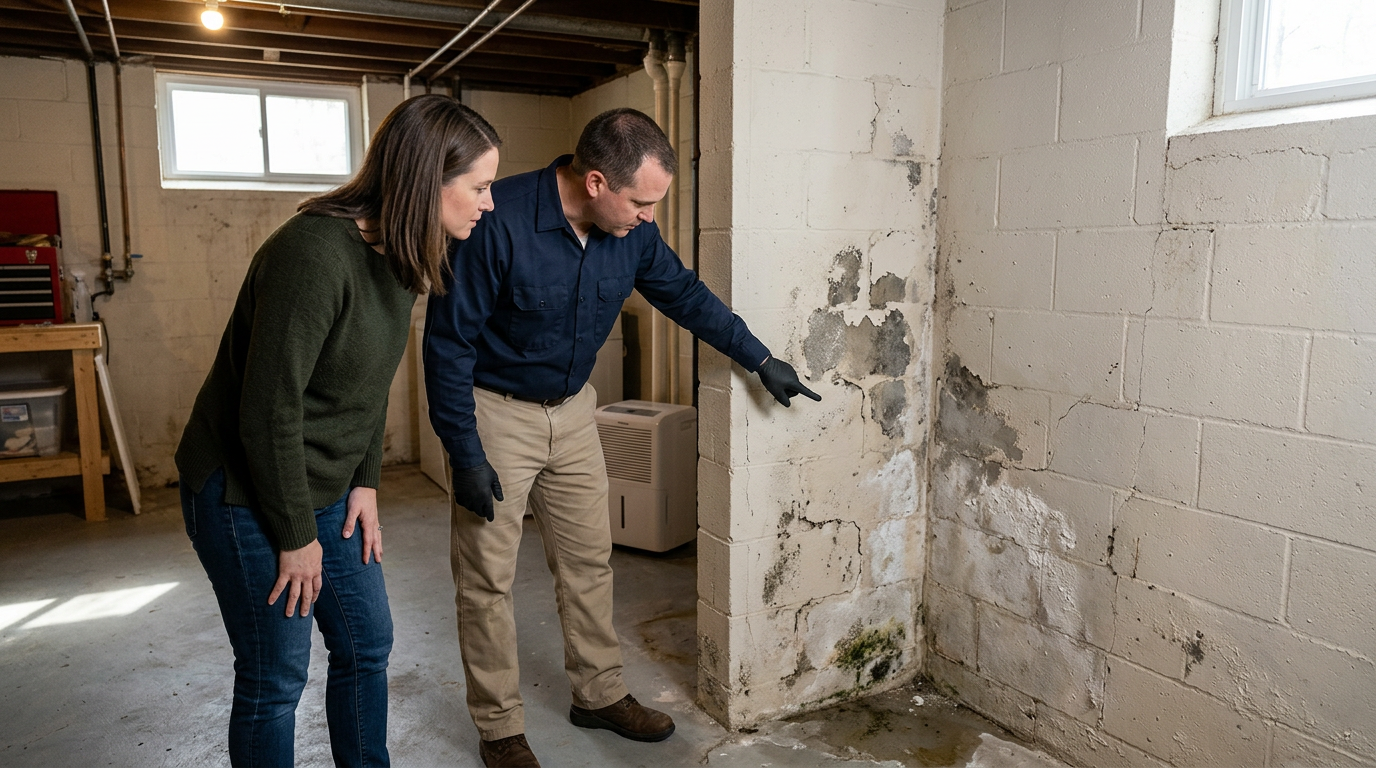
Contractors often separate moisture into two categories: bulk water (leaks, seepage, plumbing failures) and ambient humidity (damp air, condensation). A basement can have zero visible leaks and still feel clammy if humidity control isn’t planned. Discuss what has been observed historically in the home (musty odors, damp corners, past leaks) so the plan matches real conditions.
Comfort: insulation, air movement, and floor feel
Comfort is influenced by insulation placement, air sealing strategy, and whether the HVAC plan supports the new space. Basements can feel cold even when the thermostat says otherwise—often due to slab temperature, insufficient returns, or poorly planned airflow. A good plan considers how the basement will be heated/cooled and how air will circulate.
Design: layout, ceiling constraints, and mechanical access
Basements frequently have beams, ductwork, plumbing, and electrical runs that limit ceiling height or force soffits. Smart design anticipates these constraints and uses them intentionally—placing storage, hallways, or lower-priority zones where height is tight, and reserving the best ceiling areas for primary living zones.
How These Choices Affect Budget, Timeline, and Long-Term Durability
Basement projects are often affected by “invisible” scope that doesn’t show up in inspirational photos. Moisture mitigation measures, HVAC modifications, electrical upgrades, and plumbing reroutes can all be meaningful line items. The earlier these are identified, the easier it is to align the design with the budget.
- Budget: Material selection (flooring, trim, wall systems) matters, but so do prep steps like addressing dampness, adding dehumidification, or improving drainage solutions as needed.
- Timeline: Basement finishing can involve multiple inspections and trade coordination. Discovering moisture issues mid-project can introduce change orders and delays.
- Durability: In below-grade spaces, the wrong wall or flooring assembly can trap moisture, leading to odors, staining, or premature wear.
- Safety and usability: Egress planning, lighting, and stair design can affect how the space is used—and whether it feels like true living space or an afterthought.
If you’re comparing options for basement finishing in the Athens area, it’s worth asking your contractor how they prioritize performance decisions before selecting finishes.
Common Basement-Finishing Missteps to Avoid
- Finishing over unresolved moisture signs — Painting or covering walls without addressing dampness can hide problems until they damage finishes.
- Choosing flooring without a below-grade plan — Some products are less forgiving with humidity or minor water events; selection should match risk tolerance and use.
- Ignoring HVAC return-air needs — Supplying air without a return path can create stale rooms and uneven temperatures.
- Forgetting access to shutoffs and equipment — Water shutoffs, cleanouts, and mechanical units should remain serviceable without tearing out finished work.
- Underplanning lighting — Basements often need layered lighting (ambient, task, accent) to avoid a dim or “cave-like” feel.
- Skipping early egress conversations — If a bedroom or sleeping area is planned, egress requirements can influence layout and window solutions.
A Smart Planning Checklist for a Comfortable, Finished Basement
- Define how you’ll use the space (office, guest suite, media room, gym, storage) and prioritize zones accordingly.
- Share the basement’s history with your contractor (past leaks, musty smells, sump pump use, condensation patterns).
- Ask for a moisture-control approach that addresses both bulk water risk and humidity management.
- Confirm the HVAC plan for supply/return airflow, thermostat strategy, and whether supplemental dehumidification is recommended for your conditions.
- Review electrical capacity and layout for the intended use (home office loads, entertainment circuits, workshop tools, or added appliances).
- Plan for access panels where future servicing is likely (valves, cleanouts, junctions), so maintenance doesn’t become demolition.
- Select finishes with below-grade performance in mind , including wall assemblies and flooring that suit your home’s moisture profile.
- Walk the ceiling plan to understand soffits, duct routes, and where height is best used for primary living areas.
Professional Insight: The Detail Most Homeowners Miss
In practice, we often see that the biggest difference between a basement that feels “truly finished” and one that feels temporary is early coordination between mechanical planning and layout. When HVAC, lighting, and soffit placement are designed around how you’ll use the space—rather than squeezed in after the fact—the basement tends to feel brighter, more comfortable, and easier to live in.
When It’s Time to Bring in a Contractor
Basement projects benefit from professional support when the scope involves multiple trades, code-sensitive design decisions, or any uncertainty about moisture conditions. Consider getting help if you’re dealing with:
- Visible water intrusion, damp walls, or recurring musty odors
- Plans for a bedroom, bathroom, or kitchenette (egress, plumbing, and electrical planning become more complex)
- Low ceiling areas or complicated ductwork that require thoughtful soffit and lighting design
- Electrical panel limitations or the need for new circuits for office/media/workshop use
- Uncertainty about permits and inspections —requirements vary, and a contractor can help clarify what applies to your project
Common Questions Answered
What should I ask a contractor before finishing a basement?
Ask how they evaluate moisture risk, what wall/floor assemblies they recommend for below-grade spaces, how HVAC airflow will be handled, and how they’ll maintain access to key mechanical and plumbing components.
How do I keep a finished basement from feeling damp?
Most plans combine moisture-risk reduction (addressing any pathways for water) with humidity management (air sealing, ventilation strategy, and often dehumidification depending on conditions). Your contractor can recommend an approach based on what they observe in your home.
Can a basement feel as comfortable as the main floor?
Yes, it can feel very comfortable when insulation, air movement, and temperature control are planned intentionally. Comfort usually comes from the combined system—not a single product choice.
Do I need special flooring for a below-grade room?
Flooring selection should account for humidity, the possibility of minor water events, and the feel underfoot. A contractor can help compare options based on your intended use and the basement’s conditions.
What features add the most day-to-day value in a finished basement?
Homeowners often prioritize good lighting, smart storage, a comfortable temperature year-round, and a layout that supports how they actually live—such as a quiet office zone, a guest-ready area, or a flexible recreation space.
Taking Action
A successful basement finish starts with the right conversations: how moisture will be managed, how comfort will be maintained, and how design choices will work with the realities of a below-grade space. When you plan these details early, you’re more likely to end up with a basement that feels intentional, durable, and easy to use. If you’re considering a finished basement, a clear scope and a performance-first plan can make decisions simpler from the start.
Learn More About Our Services
Discover how we can help you achieve your goals with our services.
Learn More