
Planning a bathroom remodel in Athens, GA homeowners feel good about usually comes down to three things: getting the layout right, understanding realistic lead times, and knowing what actually drives the budget. If you’re a homeowner, property manager, or small business owner updating a bathroom, the decisions you make early can reduce surprises later—especially when you’re coordinating materials, trades, and a day-to-day routine that still has to function. In the winter months, many people also start mapping out indoor projects, which makes planning clarity even more valuable. This guide focuses on how bathroom remodels are typically scoped, where timelines can stretch, and how to prioritize choices that fit your goals.
Bottom Line Upfront: What to Know Before You Start
- Layout changes (moving plumbing, walls, or doors) tend to be the biggest driver of complexity and cost.
- Lead times often depend more on product availability (tile, vanities, specialty fixtures) than on demolition or installation.
- Hidden conditions —like water damage or subfloor issues—can affect scope once surfaces are opened.
- Finish selections (tile patterns, custom glass, premium fixtures) can shift labor time as much as material price.
- A clear scope and selection plan usually makes scheduling, budgeting, and communication easier for everyone involved.
Bathroom Remodel Planning: How the Process Typically Unfolds
A bathroom remodel is a coordinated construction project, not just a collection of product swaps. While every home is different, most projects follow a similar path: define goals, confirm measurements and constraints, select materials and fixtures, finalize the scope, then schedule demolition and installation.
Two planning ideas matter most:
- Decisions stack. Your layout affects plumbing and electrical. Those affect waterproofing and ventilation. Those affect tile, paint, trim, and final fixtures.
- Selections drive execution. A simple tile layout installs differently than a complex mosaic or large-format tile that requires flatter substrates and tighter tolerances.
For many homeowners, the most helpful mindset is to treat the planning phase as the place where you “buy” predictability: the clearer the scope and selections, the easier it is to align expectations around schedule and budget.
Layout Decisions That Shape Function (and Construction Scope)
Layout is where comfort, usability, and build complexity meet. Some layout changes are surface-level; others require substantial behind-the-wall work. Below are common decisions that influence both daily function and project scope.
Keep the plumbing where it is—or move it?
Keeping the toilet, shower, and vanity in the same locations often reduces demolition, plumbing modifications, and patchwork. Moving fixtures can improve flow and comfort, but it typically adds coordination and may require more invasive work in floors or walls.
Shower, tub, or a combination?
A tub-to-shower conversion can change how the room feels and functions. The right choice depends on who uses the space and how. From a construction standpoint, the waterproofing approach, drain location, and enclosure details (curb, glass, niche placement) all affect the scope.
Door swing and clearance planning
Door swings, vanity depth, and toilet clearance impact how “tight” or “open” the room feels. Small adjustments—like switching to a different door configuration—can sometimes improve usability without moving major systems, though feasibility depends on framing and adjacent spaces.
Storage and lighting placement
Medicine cabinets, recessed shelving, and vanity storage can reduce countertop clutter. Lighting choices (overhead, vanity, shower-rated) influence electrical planning and can affect mirror selection and wall layout.
Lead Times: Where Bathroom Remodel Schedules Commonly Stretch
Many remodel timelines are shaped by what happens before demo begins: ordering, shipping, and confirming that everything fits and is on-site when needed. Even when labor scheduling is solid, a single missing component can slow the sequence.
Items that commonly affect lead time include:
- Vanities and tops: especially if you’re choosing semi-custom sizing, specialty finishes, or specific countertop materials.
- Tile and trim pieces: matching bullnose/edge profiles, specialty mosaics, and coordinating grout/transition materials.
- Plumbing fixtures: valve trims, shower systems, and matching collections across sink/tub/shower.
- Shower glass: custom enclosures often require precise field measurements after tile is installed.
- Lighting and ventilation: specific fixture sizes, color temperatures, and fan specs can affect rough-in needs.
Practical planning tip: align your selection deadlines with the construction sequence so long-lead items are chosen early enough to avoid schedule gaps. Your contractor can help identify which items are critical path based on your design.
What Really Drives the Budget in a Bathroom Remodel
Bathroom budgets aren’t determined by one line item—they’re shaped by a combination of scope, complexity, and finish level. Understanding the main cost drivers helps you prioritize where to invest and where to simplify.
1) Scope: cosmetic refresh vs. full gut
A surface refresh (paint, fixtures, minor updates) is fundamentally different from a full renovation that includes demolition, new waterproofing, and updated plumbing/electrical. The deeper the scope, the more trades and steps are involved.
2) Layout changes and system moves
Relocating plumbing or electrical can add labor and coordination. Even small shifts can cascade into framing, subfloor work, and additional patching and finishing.
3) Waterproofing and substrate preparation
Bathrooms demand careful moisture management. The methods and materials used for shower waterproofing, as well as the prep needed to create flat, stable surfaces for tile, can meaningfully affect labor time and material costs.
4) Tile complexity and finish details
Tile costs aren’t just about the tile itself. Patterns, niche details, edging, multiple materials, and tight grout lines can increase installation time. Similarly, upgraded trim carpentry, custom shelving, and specialty paint finishes add steps.
5) Fixture and product tier
Vanities, faucets, toilets, lighting, and hardware come in a wide range of price points. Beyond purchase price, compatibility and installation requirements can vary by brand and model.
6) Unknown conditions behind the walls
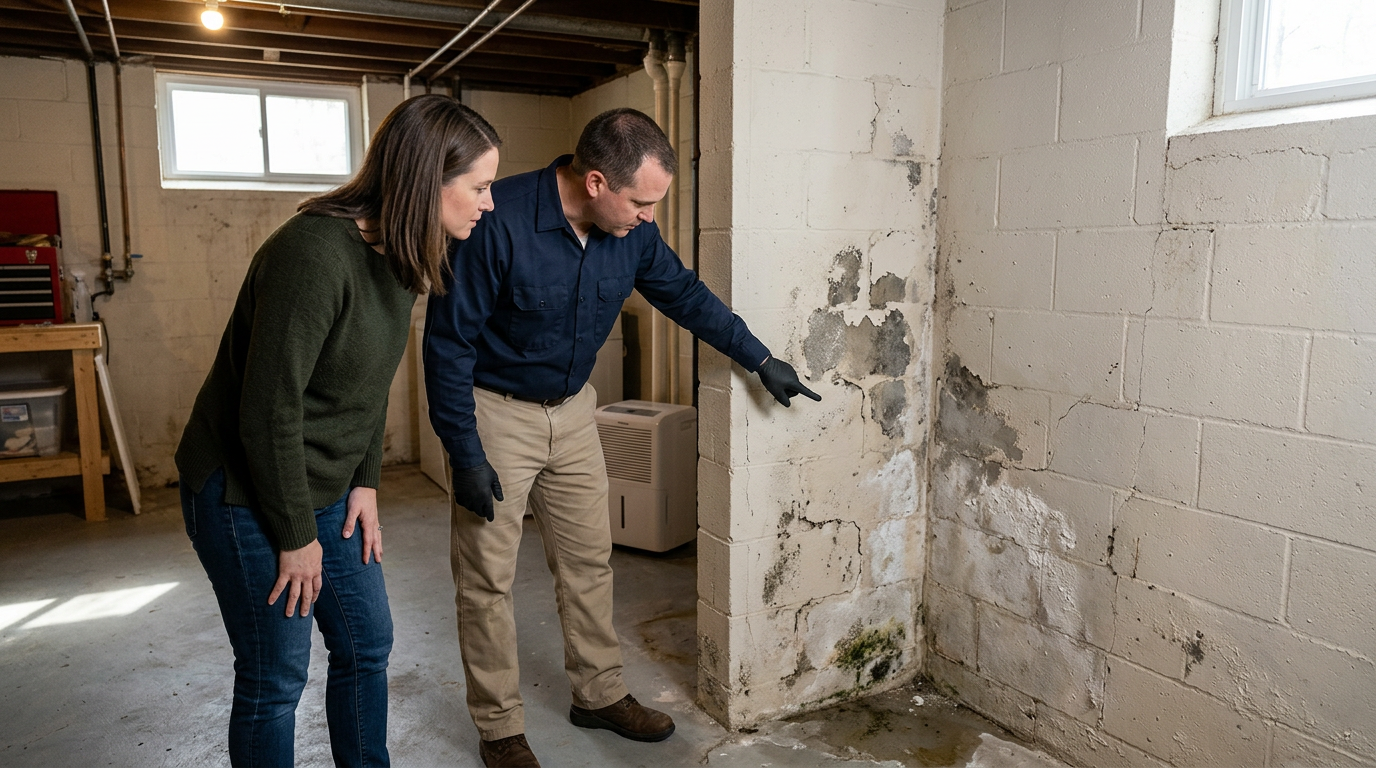
Once demolition begins, issues like water damage, mold-like staining, or framing concerns may be discovered. A good planning conversation includes how change orders or scope adjustments will be handled if conditions are uncovered.
Costly Planning Missteps to Avoid
- Starting demo before selections are finalized: missing fixtures or backordered tile can stall the project midstream.
- Choosing fixtures without confirming rough-in requirements: valves, drains, and venting needs should match the plan before walls close up.
- Underestimating storage needs: removing a linen closet or shrinking vanity space can create long-term frustration.
- Overcomplicating tile layouts in small rooms: intricate patterns can increase labor and risk of visual “busy-ness.”
- Skipping ventilation planning: inadequate airflow can lead to moisture problems and premature finish wear.
- Not clarifying allowance vs. fixed selections: unclear budgets for fixtures and finishes can cause confusion when invoices arrive.
A Smart Pre-Construction Game Plan
- Define the primary goal: accessibility, resale-minded update, better storage, improved shower experience, or durability.
- Confirm who uses the bathroom and how: daily routines drive layout priorities more than trends do.
- Decide early whether the layout stays or changes: this choice influences almost every downstream decision.
- Build a selection list: tile, grout, vanity, top, sink, faucet, toilet, shower valve/trim, lighting, fan, mirror, hardware, paint.
- Ask for a schedule tied to milestones: selection deadlines, demo start, rough-in, waterproofing, tile, trim, final install.
- Plan for home logistics: identify alternate bathing arrangements and protect adjacent spaces from dust and traffic.
- Document decisions: keep a single written record of product specs, finishes, and approvals to reduce miscommunication.
Professional Insight: The Decision That Prevents Most Surprises
In practice, we often see the smoothest bathroom remodels happen when homeowners lock in the “in-wall” decisions early—layout, valve locations, lighting plan, and ventilation—before getting too deep into surface finishes. When those fundamentals are clear, tile choices and fixture upgrades tend to fit the space better, and the project team can sequence work with fewer last-minute pivots.
When It’s Time to Bring in a General Contractor
Bathrooms combine plumbing, electrical, waterproofing, and finish work in a small footprint—so coordination matters. Consider professional support when:
- You want to change the layout: moving fixtures or walls typically requires multi-trade planning.
- There are signs of water damage: soft floors, staining, persistent odors, or recurring leaks should be evaluated before finishes are installed.
- You’re upgrading a shower system: multiple body sprays, custom valves, or specialty drains can require careful rough-in planning.
- You need accessibility improvements: curbless showers, wider clearances, and grab-bar backing should be integrated into the build plan.
- You’re managing a tight timeline: coordinated scheduling and procurement can reduce downtime between phases.
Common Questions Homeowners Ask About Bathroom Renovations
How do I decide whether to keep the existing layout?
Start with what isn’t working: clearance, storage, shower comfort, or traffic flow. If the room functions well and you like the footprint, keeping major fixtures in place can simplify the scope. If daily usability is compromised, a layout change may be worth exploring with a contractor.
What should be selected before construction begins?
It’s typically helpful to have core items chosen early: vanity size, shower or tub configuration, tile, plumbing fixtures (including valve/trim), lighting, and ventilation. Your contractor can identify which items must be on-site by specific milestones.
Can a bathroom be remodeled in phases?
Sometimes, yes—especially for cosmetic updates. For full renovations involving waterproofing and tile, phasing can be difficult because many steps depend on prior work being completed and protected. A contractor can advise on what’s practical for your specific scope.
What’s the difference between an allowance and a fixed selection?
An allowance is a budget placeholder for an item you haven’t chosen yet (like tile or a faucet). A fixed selection is a specific product with a known price. Clarifying which items are allowances can help you track budget changes as you finalize finishes.
How can I reduce the chance of delays?
Finalize key selections early, confirm lead times before ordering, and keep decisions documented in one place. Also ask for a construction schedule that shows when each item is needed so procurement matches the build sequence.
Where to Go from Here
Bathroom remodel planning is easier when you separate the big decisions (layout and systems) from the finish decisions (tile, fixtures, and details) and then tie everything to a realistic selection and ordering timeline. If you’re clear on what you want the space to do—and you understand what drives cost—you’ll be better positioned to make tradeoffs confidently. For homeowners in Athens, GA, a well-planned bathroom project can feel far less stressful because expectations are set early and decisions are documented.
Learn More About Our Services
Discover how we can help you achieve your goals.
Contact Us