
Planning a remodel without a clear set of decisions can lead to avoidable delays, change orders, and budget stress—especially when multiple trades and long-lead materials are involved. This pre remodel checklist is for homeowners and small business owners who want a practical way to confirm priorities, scope, and readiness before contacting a contractor or signing a contract. In late-winter planning mode, a few focused questions now can help you enter the build phase with fewer surprises and clearer expectations. Use the checklist below to pressure-test your plan, align everyone involved, and gather the information a general contractor will typically request during early conversations.
Key Points to Know Before You Schedule Anything
- You’ll move faster once you’ve defined scope and “must-haves.” Clear priorities reduce redesign loops and midstream changes.
- Budget should be tied to decisions, not guesses. Early selections (or at least selection ranges) help keep estimates grounded.
- Timeline depends on permits, materials, and access. Even simple projects can slow down if these aren’t considered up front.
- Living/operating plans matter as much as design. How you’ll use the space during construction affects sequencing and cost.
- Documentation prevents miscommunication. Notes, photos, and written assumptions help everyone stay aligned.
How a Pre-Remodel Planning Checklist Guides Your Decisions
A remodel is a chain of decisions—scope, layout, finishes, schedule, and logistics—where each choice affects the next. A planning checklist works because it forces clarity before commitments: what you’re changing, why you’re changing it, and what constraints you need to respect (budget, timing, access, and existing conditions). It also helps you communicate effectively with a general contractor by turning vague goals (“update the kitchen”) into actionable inputs (“keep the sink location, add a pantry cabinet, select quartz in a specific price tier”).
In practice, the best early plans don’t try to solve every detail; they confirm the big rocks first—scope boundaries, functional requirements, and decision authority—so the project can be estimated and scheduled with fewer unknowns.
The Real-World Impact on Budget, Timeline, and Stress
When key questions are unanswered, projects often experience friction in predictable places: pricing changes after selections are made, schedule shifts while waiting on materials, and scope creep when “nice-to-haves” become “must-haves” midstream. There can also be safety and usability implications—temporary loss of kitchens, bathrooms, or primary entrances requires a realistic plan for daily life or business operations.
If you’re in the Athens, GA area, it’s also smart to confirm how local permitting and inspection requirements apply to your specific scope, since rules and review timelines can vary by jurisdiction and project type.
Common Pre-Project Missteps to Avoid
- ✓ Starting design before defining constraints — If budget, timing, and non-negotiables aren’t set, the design process can wander and become expensive to revise.
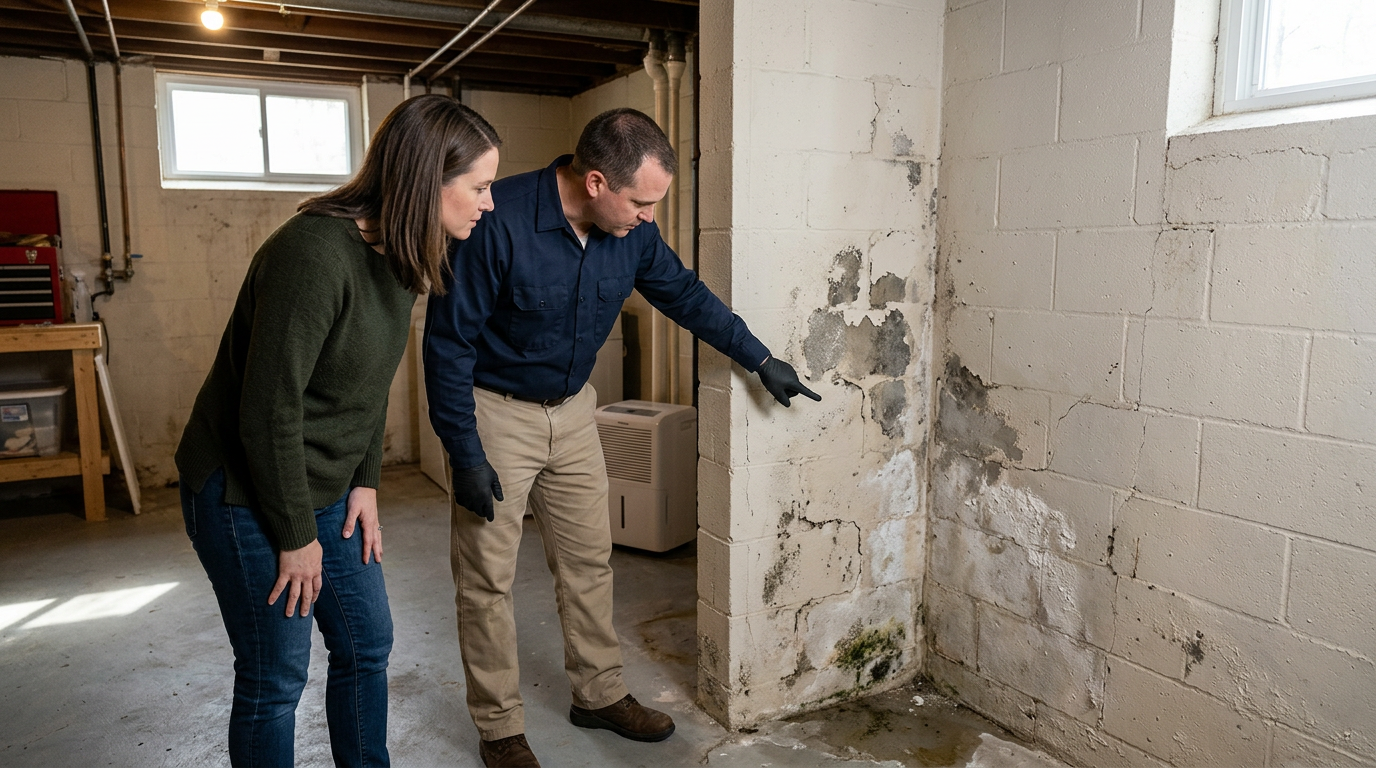
- ✓ Assuming existing conditions are “fine” — Older framing, wiring, plumbing, or moisture issues can change scope once walls are opened; plan for unknowns instead of ignoring them.
- ✓ Skipping a written scope boundary — Without a clear “included vs. excluded” list, small add-ons can accumulate into major cost and schedule impacts.
- ✓ Choosing finishes too late — Cabinets, tile, fixtures, and specialty items may have lead times; late selections can force substitutions or delays.
- ✓ Not planning for access and protection — Parking, entry paths, dust control, and material staging affect daily disruption and jobsite efficiency.
- ✓ Unclear decision-making authority — If multiple stakeholders can change direction, approvals slow down and rework becomes more likely.
Your 12-Question Pre-Remodel Checklist
- ✓ What problem are you solving—function, comfort, maintenance, or value?
Write a one-sentence goal (e.g., “Improve storage and traffic flow”) to keep decisions consistent. - ✓ What are your top three must-haves?
List the non-negotiables (layout needs, accessibility, durability, specific features) so the scope doesn’t drift. - ✓ What is explicitly out of scope?
Name what you’re not changing (e.g., “no window changes,” “keep plumbing locations”) to prevent surprise add-ons. - ✓ What budget range are you prepared to invest?
Decide a working range and a comfort ceiling; a contractor can help align options to that range. - ✓ What timeline constraints do you have?
Identify immovable dates or seasons (travel, events, business cycles). Avoid assuming exact start dates until feasibility is confirmed. - ✓ Who is the decision-maker—and who needs to approve selections?
Define a single point of contact and an approval process to reduce delays. - ✓ Are you staying in the home (or operating the space) during construction?
Clarify how you’ll cook, bathe, work, and enter/exit; this influences sequencing and temporary setups. - ✓ What existing conditions might change the plan?
Note any known concerns: past leaks, uneven floors, cracking, outdated electrical, or ventilation issues—then be ready to discuss contingencies. - ✓ What selections are already chosen—and what’s still open?
Make a list: cabinets, counters, flooring, paint, fixtures, lighting, appliances. Even “style direction + price tier” helps. - ✓ What are your performance expectations?
Examples: easy-clean surfaces, moisture resistance, sound control, durability for kids/pets, or commercial-grade wear. - ✓ What access, parking, and protection plan makes sense?
Identify where materials could be staged, how crews will enter, and what areas need protection to reduce disruption. - ✓ What documentation can you gather before the first meeting?
Collect photos, rough measurements, inspiration images, and notes on what you like/dislike—enough to communicate clearly without over-specifying.
Professional Insight: The One Detail Most Plans Miss
In practice, we often see projects get smoother when clients decide early how they’ll handle “daily life logistics” (pets, parking, quiet hours, and temporary loss of key rooms). Those decisions don’t just improve comfort—they also make it easier to sequence work efficiently and reduce last-minute changes that can ripple through the schedule.
When to Bring in a General Contractor
- ✓ Your project affects multiple trades — If framing, electrical, plumbing, HVAC, roofing, or structural changes are involved, coordination becomes critical.
- ✓ You’re changing walls, moving plumbing, or altering openings — These scopes often require careful planning and may trigger permitting or inspections depending on jurisdiction.
- ✓ You need a realistic schedule and phasing plan — Especially if you’re living/working in the space during construction.
- ✓ You’re unsure what’s behind existing finishes — A contractor can help plan for investigation, allowances, and decision points.
- ✓ You want one accountable point of coordination — General contracting can simplify communication across design, procurement, and build phases.
Common Questions Answered
How early should I start planning before construction begins?
Many projects benefit from starting conversations early enough to confirm scope, selections, and any permit needs. The right lead time depends on complexity and material availability, so it’s best to discuss your goals and constraints during initial planning.
Do I need final finish selections before I request an estimate?
Not always. A contractor can often price using defined allowances or price tiers, but the clearer your selection direction is, the fewer revisions you’ll need later when exact products are chosen.
What information should I bring to a first contractor meeting?
Bring photos of the existing space, inspiration images, a short must-have list, notes on what you want to keep/change, and any constraints like timing or access. Rough measurements can help, but they’re not a substitute for professional field verification.
Can I live in my home during a remodel?
It depends on which rooms are affected, the level of demolition, and your tolerance for noise and disruption. Discuss phasing, temporary setups, and safety considerations with your contractor so you can make a realistic plan.
How do I reduce change orders once work starts?
Define scope boundaries, confirm decision-makers, and make key selections as early as practical. Written assumptions and a clear approval process also help keep the project aligned as details are finalized.
Taking Action Before Your Project Starts
A strong plan comes from answering a small set of high-impact questions before commitments are made. Use this checklist to clarify scope, align priorities, and prepare the information a contractor needs to guide next steps. The goal isn’t perfection—it’s fewer unknowns and better decisions earlier in the process. When you’re ready, a qualified general contractor can help translate your answers into a workable scope, schedule, and build plan.
Call Tipton's Fine-Tuned Carpentry about Your Spring Project
Family-owned and operated, our team of expert carpenters are licensed and insured and have a combined 100+ years of experience. We strive to expedite your project without compromising quality. If you live in Athens and surrounding areas and are considering a home remodeling project, we are here to help. Contact us to schedule a consultation today!