
Energy Efficiency Upgrades for Older Homes
Older homes have character for days—original trim, solid framing, and the kind of details you just don’t see as often anymore. But that charm can come with higher utility bills, uncomfortable rooms, and systems that struggle to keep up. If you’re a homeowner planning a remodel (or even just trying to make your space more comfortable), it helps to understand which energy efficiency upgrades tend to make the biggest difference—and how to prioritize them without turning your house into a science experiment. As the weather warms and windows start opening more often, it’s also a natural time to notice drafts, hot spots, and rooms that never feel quite “right.”
This guide breaks down practical, contractor-friendly upgrade categories—air sealing, insulation, windows, HVAC, and more—so you can make informed decisions, align improvements with your remodel scope, and avoid common planning mistakes.
Bottom Line Upfront: What to Prioritize First
- Start with the building envelope: Air sealing and insulation often provide noticeable comfort improvements and can support right-sizing HVAC later.
- Fix moisture and ventilation alongside efficiency: Tightening a home without a ventilation plan can create indoor air quality or humidity issues.
- Target the biggest comfort complaints: Drafty rooms, uneven temperatures, and high humidity usually point to specific upgrade opportunities.
- Coordinate upgrades with remodeling access: Opening walls, ceilings, or floors during a remodel can reduce labor and improve results.
- Plan upgrades as a system: Windows, insulation, HVAC, and ducts interact—sequencing matters for performance and budget control.
How Energy Efficiency Upgrades Work in Older Houses
In most older homes, energy performance comes down to three interconnected areas: air movement (leaks and drafts), heat transfer (insulation and windows), and mechanical systems (heating, cooling, and ventilation). When any one area is underperforming, you can end up paying to heat or cool air that doesn’t stay where you want it.
Older construction can include features that complicate the picture—mixed insulation types, unsealed penetrations from decades of updates, and ductwork routed through attics or crawlspaces. The goal isn’t to chase perfection; it’s to identify the most impactful improvements for your home’s layout, condition, and renovation plans.
Envelope first: the “keep conditioned air inside” principle
If conditioned air leaks out (or unconditioned air leaks in), your HVAC system works harder and comfort suffers. Air sealing and insulation improvements aim to reduce that unwanted exchange and stabilize indoor temperatures.
Systems second: make heating and cooling match the improved home
Once the envelope improves, heating and cooling needs can change. In many projects, it’s smart to evaluate HVAC after major envelope work so equipment selection and duct design align with the home’s updated performance.
Practical example: a remodeled kitchen with lingering comfort problems
It’s common for homeowners to remodel a kitchen beautifully—then discover the room still feels colder in winter or warmer in summer. Often the root issue is air leakage at rim joists, insufficient insulation above, or duct runs that weren’t designed for the space. Coordinating efficiency planning with the remodel scope can help avoid that “new room, old problem” situation.
How These Upgrades Can Affect Budget, Comfort, and Timeline
Efficiency-related work can change the scope of a remodel in ways that matter to your schedule and cost planning. Some improvements are relatively contained (like targeted air sealing), while others may require access, sequencing, or coordination across trades.
- Budget impact: Costs vary widely based on access, existing conditions, and how much finish work is affected. Doing work while areas are already open can reduce rework.
- Comfort impact: Draft reduction and temperature consistency are often the most noticeable day-to-day benefits, especially in bonus rooms, additions, and over-garage spaces.
- Indoor air quality considerations: A tighter home may need intentional ventilation planning to manage humidity and fresh air exchange.
- Timeline impact: Adding scope (like insulation upgrades or duct modifications) can introduce inspections, specialty subcontractors, or longer lead times on certain products.
- Future flexibility: Thoughtful planning can make future system replacements (HVAC, water heater) simpler because the home’s performance targets are clearer.
Common Planning Mistakes to Avoid (Quick Checklist)
- Replacing windows before addressing air leaks: If the home is leaky elsewhere, new windows may not deliver the comfort improvement you’re hoping for.
- Adding insulation without a moisture strategy: In attics, crawlspaces, and basements, moisture control and ventilation details matter to avoid mold or material damage.
- Ignoring ductwork location and sealing: Leaky or poorly routed ducts can undermine otherwise solid improvements.
- Overlooking the attic hatch, can lights, and penetrations: Small openings can add up to big performance losses.
- Upgrading HVAC without verifying load changes: If the home’s envelope is improved later, the system may be oversized or less efficient in real use.
- Not aligning upgrades with the remodel plan: Doing efficiency work after finishes are installed can mean extra demolition, patching, and cost.
A Smart Upgrade Roadmap for Whole-Home Remodels
- Document comfort issues room-by-room: Note drafts, hot/cold spots, humidity concerns, and rooms that are hard to heat or cool.
- Review the home’s “pressure boundary”: Identify where air separation should be continuous (attic plane, walls, crawlspace/basement interfaces).
- Prioritize air sealing in accessible areas: Attics, rim joists, mechanical penetrations, and top plates are common targets when access allows.
- Plan insulation upgrades with access in mind: If ceilings or walls are opening during the remodel, decide early what insulation approach fits the assembly.
- Evaluate windows and doors strategically: Consider condition, operation, and comfort issues—then coordinate replacement with trim, siding, or interior finish plans.
- Coordinate HVAC and duct decisions with the new layout: If you’re changing room use, adding square footage, or reconfiguring ceilings, ensure supply/return strategy is addressed.
- Include ventilation and humidity control: Especially when tightening the home, plan for bathroom/kitchen exhaust and whole-home ventilation where appropriate.
- Confirm scope and sequencing before finishes: Lock in penetrations, chases, and access panels so efficiency improvements don’t fight the final design.
Professional Insight: The “One Upgrade” That Usually Isn’t One
In practice, we often see homeowners choose a single improvement—like new windows—expecting it to solve comfort and bill concerns by itself. Most of the time, the best results come from treating the home like a system: pairing targeted air sealing with appropriate insulation, then making sure HVAC distribution and ventilation match the updated conditions.
When It’s Time to Bring in a Pro
Some efficiency work is straightforward to discuss, but older homes can hide conditions that change the right approach. Consider professional help when:
- You’re planning a whole-home remodel or addition: Coordinating envelope, mechanicals, and finishes is easier (and typically cleaner) with a unified plan.
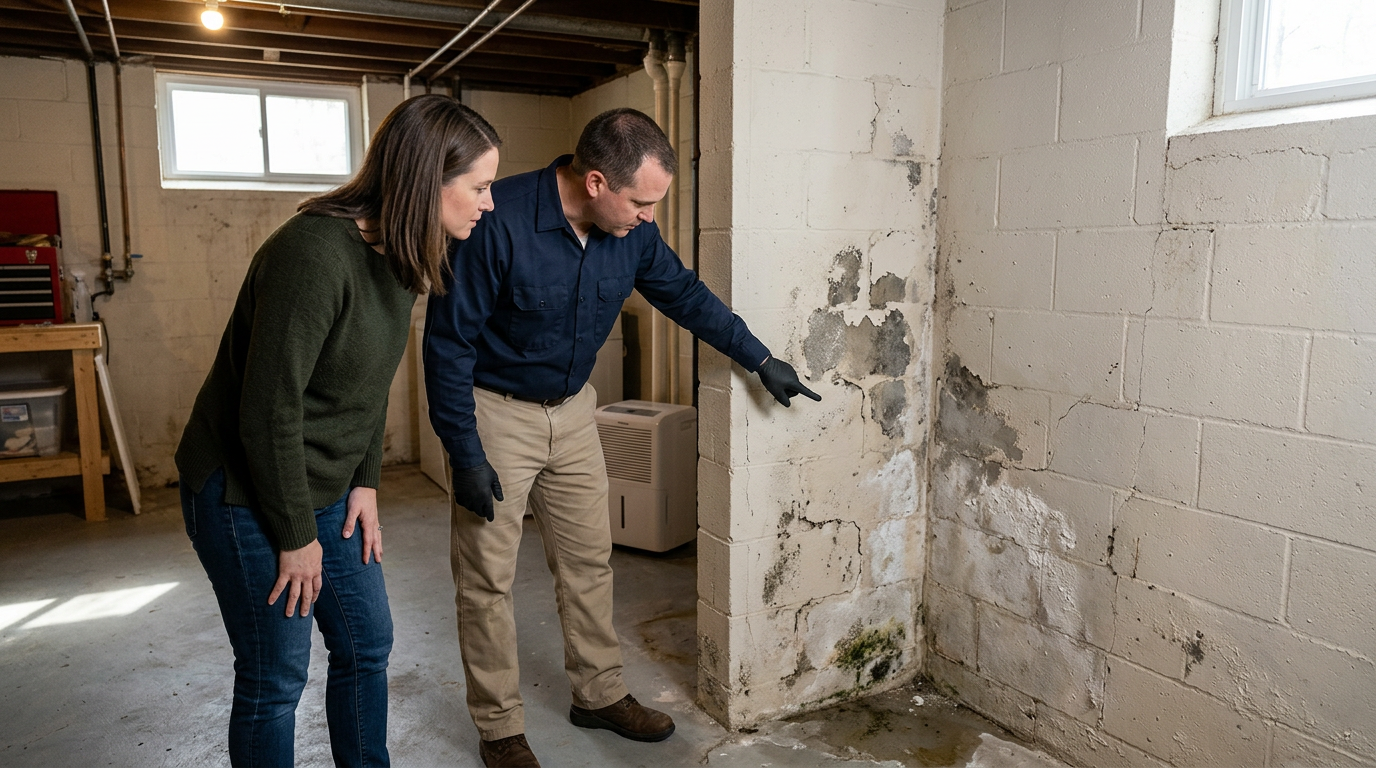
- You have persistent moisture issues: Musty odors, visible staining, or recurring condensation should be evaluated before tightening or insulating assemblies.
- Rooms are consistently uncomfortable: Especially bonus rooms, over-garage spaces, finished basements, or rooms with lots of exterior wall exposure.
- You suspect duct or HVAC design problems: Weak airflow, noisy returns, or uneven temperatures can point to distribution issues beyond equipment age.
- You want to avoid rework: If you’re investing in finishes, it’s worth confirming the “behind the walls” plan first.
Frequently Asked Questions About Improving Older Home Performance
Do I need to upgrade everything at once?
No. Many homeowners take a phased approach, especially when improvements can be timed with remodeling access. The key is choosing a sequence that avoids undoing finished work later.
Are new windows always the best place to start?
Not always. Windows can be a good investment when existing units are failing, difficult to operate, or causing comfort problems. But air leakage and insulation gaps elsewhere can be just as important to address.
Can tightening a home create indoor air issues?
It can if ventilation isn’t considered. Reducing uncontrolled air leakage may change humidity behavior and fresh air exchange, so it’s smart to plan exhaust and ventilation intentionally as part of the project.
How do remodel layout changes affect heating and cooling?
Open-concept conversions, vaulted ceilings, and room additions can change airflow patterns and heating/cooling demand. Reviewing supply and return placement during design can help avoid comfort surprises after construction.
What should I discuss with a contractor before starting?
Bring a list of comfort complaints, any known moisture history, and your remodel goals. Ask how the project will address air sealing, insulation strategy, HVAC distribution, and ventilation so the upgrades work together.
Where to Go from Here
Older homes can absolutely be updated for better comfort and more consistent performance—without losing the details that make them worth keeping. The most effective approach is usually a coordinated plan that addresses air movement, insulation, and mechanical systems in the right order. If you’re already remodeling, that’s often the best time to make improvements that are hard to access later. A clear scope and good sequencing can help you invest wisely and avoid costly do-overs.
Learn More About Our Services
Discover how we can help you achieve your goals.