
Bathroom Remodel Costs in Athens GA
Bathroom remodel costs can feel like a moving target—especially when you’re trying to balance style, durability, and a realistic budget. If you’re a homeowner or property manager planning updates, the goal usually isn’t just a prettier space; it’s a bathroom that functions well every day and won’t surprise you with hidden issues mid-project. As spring rolls in and schedules start filling up, it’s also a common time to compare options and decide what scope makes sense.
This guide explains what typically drives pricing, where budgets often get stretched, and how to plan for a smoother construction experience. We’ll keep it practical and contractor-minded—so you know what questions to ask, what decisions matter most, and how to reduce the “wait… that costs extra?” moments.
If you want a local starting point for bathroom remodel costs in Athens, GA, this overview will help you map scope to budget before you request estimates.
Bottom Line Upfront: Cost Drivers That Matter Most
- Scope is the biggest lever: a refresh (finishes) typically costs less than a full gut with layout changes and new plumbing locations.
- Wet-area work raises complexity: showers, tubs, waterproofing details, and tile labor often influence the budget more than paint or lighting.
- Material selections change totals fast: tile type/size, vanity construction, plumbing fixture quality, and glass doors are common swing items.
- Older homes can add “unknowns”: hidden water damage, subfloor repairs, or outdated wiring may require additional work once opened up.
- Permitting and inspections may apply: requirements vary based on project scope and local rules, so confirm early with your contractor.
How Bathroom Remodeling Pricing Is Typically Built
Most bathroom remodel pricing is a combination of labor, materials, and project management—shaped by how much is being changed and how technically demanding the space is. Bathrooms pack a lot into a small footprint: plumbing, electrical, ventilation, waterproofing, and finishes all have to work together. That coordination is one reason bathrooms can be more complex than they look.
In general, costs tend to be influenced by:
- Demolition and prep: removing existing finishes, protecting adjacent areas, and getting the space ready for rebuild.
- Rough-in work: plumbing and electrical changes (especially if you’re relocating a shower, toilet, or vanity).
- Water management: shower waterproofing systems, pan construction, and detailing around niches/benches.
- Finish installation: tile setting, grout, cabinetry install, trim, paint, and fixture set.
- Coordination: scheduling trades, ordering materials, and managing inspections when needed.
How Your Budget, Timeline, and Home Are Impacted
Bathroom projects affect more than your wallet—they affect daily routines and the condition of surrounding spaces. A remodel can temporarily limit access to a bathroom, create noise and dust, and require careful sequencing so waterproofing and finishes are installed correctly.
Key implications to plan for:
- Downtime and logistics: if it’s your only full bath, you may need a temporary plan for bathing and getting ready.
- Decision timing: late fixture/tile selections can delay ordering and push the schedule.
- Long-term performance: cutting corners on ventilation or waterproofing can lead to moisture problems that cost more later.
- Resale and usability: the “right” scope depends on how long you plan to stay and how you use the space (kids’ bath vs. primary suite).
Checklist: Common Budget Traps Homeowners Run Into
- Changing the layout without planning the ripple effect: moving plumbing locations can increase labor and may trigger additional code-related work.
- Underestimating tile labor: complex patterns, small-format tile, and full-height shower walls can be labor-intensive.
- Skipping a ventilation plan: a quiet, properly sized fan and correct ducting are easy to overlook until moisture becomes a problem.
- Buying fixtures that don’t match the rough-in: incompatible valves, drains, or toilet rough-in dimensions can cause delays and rework.
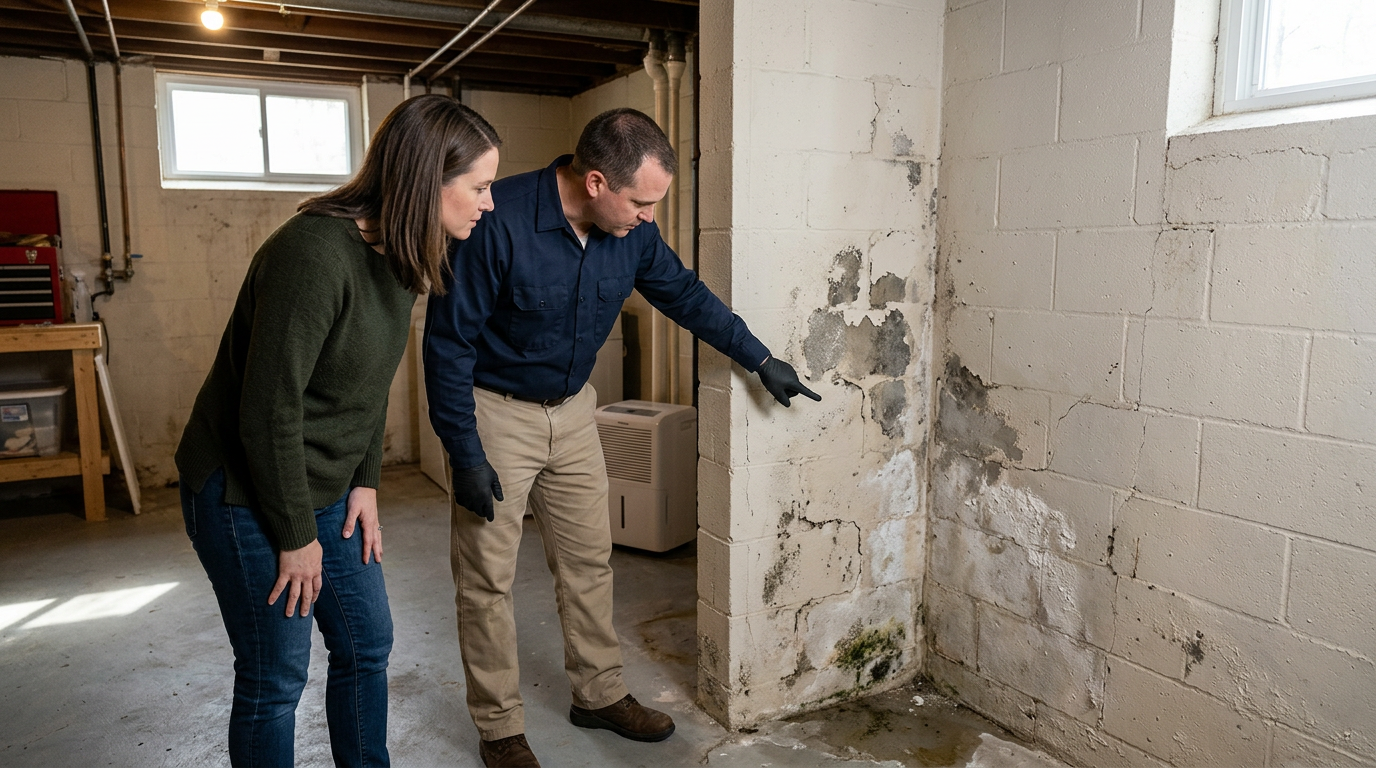
- Assuming the subfloor and framing are fine: bathrooms are prime spots for hidden water damage that only shows up after demo.
- Not clarifying what “finish level” means: details like trim returns, paint quality, grout type, and caulk lines affect both price and final look.
A Smart Planning Checklist for a Smoother Remodel
- Define your scope in one sentence: “refresh,” “replace everything in the same layout,” or “reconfigure the room.”
- Prioritize 2–3 non-negotiables: for example, a larger shower, better storage, or easier cleaning surfaces.
- Select fixtures and tile early: confirm lead times and compatibility (valves, drains, sizes) before work begins.
- Ask for allowances to be clearly spelled out: understand what’s included, what’s excluded, and how overages are handled.
- Discuss water-risk areas explicitly: waterproofing approach, shower details, and ventilation should be part of the plan—not an afterthought.
- Plan for a contingency: older bathrooms sometimes reveal repairs after demolition; a buffer can reduce stress if that happens.
- Confirm site protection and cleanup expectations: clarify daily housekeeping, debris removal, and how adjacent areas will be protected.
Professional Insight: The Small Decisions That Swing the Price
In practice, we often see budgets shift most when “small” finish choices stack up—like upgrading tile on multiple walls, adding a niche, choosing a frameless glass enclosure, and selecting higher-end fixtures. None of those are inherently bad decisions, but taken together they can change the project’s complexity and labor. The smoothest projects are usually the ones where selections are made early and the scope is kept consistent from estimate to install.
When It’s Time to Talk With a Contractor
It’s worth getting professional input when:
- You want to move plumbing or change the layout: this affects feasibility, sequencing, and potential permitting.
- There are signs of moisture issues: soft floors, recurring mildew, stained drywall, or loose tile can indicate hidden damage.
- You’re combining trades: tile, plumbing, electrical, ventilation, and carpentry require coordination to avoid rework.
- You need an accurate scope-to-budget match: a contractor can help value-engineer selections without sacrificing performance.
- Your schedule is tight: lead times and trade sequencing can make or break the timeline.
Common Questions About Bathroom Remodeling Budgets
What makes one bathroom renovation more expensive than another?
Layout changes, wet-area complexity (shower/tub), tile labor, fixture quality, and any hidden repairs discovered after demolition are common factors that influence total price.
Is it cheaper to keep the existing layout?
Often, yes. Keeping plumbing in the same general locations can reduce labor and complexity. A contractor can explain what savings are realistic based on your specific bathroom.
Do I need permits for a bathroom project?
Permit needs depend on the scope and local requirements—especially if plumbing, electrical, or ventilation is being altered. Your contractor can help identify what applies to your plan.
How can I control costs without ending up with a “builder-grade” result?
Focus spending on performance items (waterproofing, ventilation, durable surfaces) and choose a few visual upgrades that matter most to you. Clear allowances and early selections also help prevent surprise upgrades.
What should I have ready before requesting an estimate?
Helpful inputs include photos, a simple scope description, your preferred style direction, and a list of must-haves. If you already have fixture or tile ideas, sharing links or product names can improve estimate accuracy.
Where to Go From Here
Bathroom projects are easier to budget when you understand what drives complexity: scope, wet-area details, and early product selections. If you’re comparing options, start by defining whether you’re refreshing finishes, replacing everything in place, or changing the layout. From there, a clear plan and well-defined allowances can help you align expectations with the final scope. When you’re ready, a contractor can translate your priorities into a buildable, coordinated approach.
Learn More About Our Services
Discover how we can help you achieve your goals.